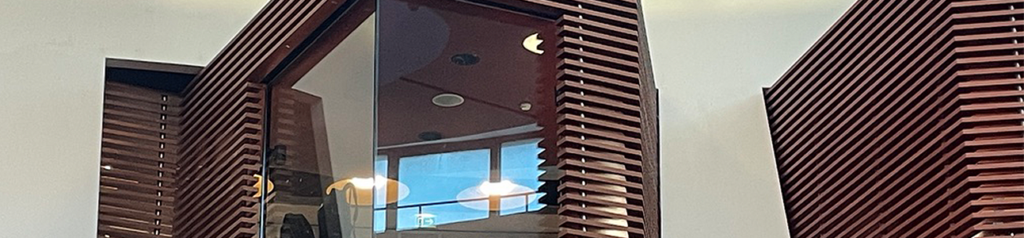
Resting pods at Lisbon airport. Traveling by train or by air remain my favorite modes of transportation, and this despite that I am scared to death to fly. Ironically, I love to see airplanes land and take off and during my wait time at most airports, I am an avid flaneur.
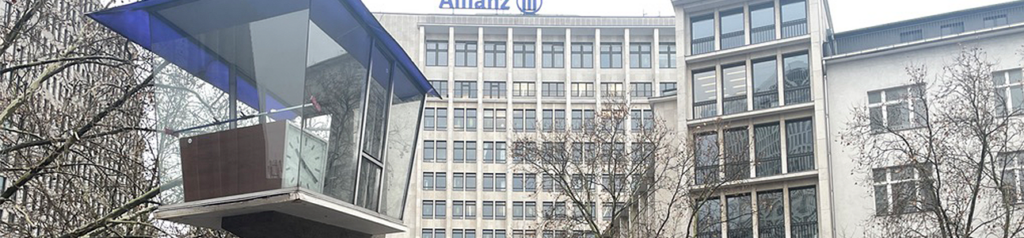
Light tower, Verkehrskanzel, Berlin. When visiting European cities I am always much more aware of the urban realm than when I am at home. Perhaps this is because of my European upbringing, coupled with growing up in cities. This early initiation gave me a foundation to better understand the richness of cities and, in particular, the ceremonial spaces of the seat of the Habsburgs in Vienna, were I lived between the ages of five and twelve.
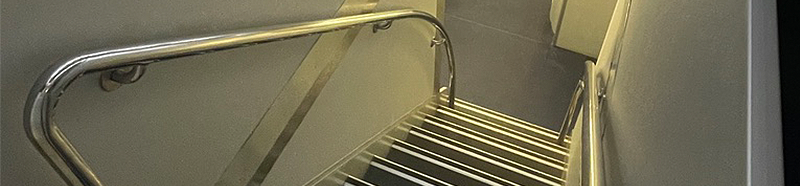
Lower deck lavatory: A340-600.I have been fortunate to travel in many parts of the world since the age of nine. Although trains remains my favorite mode of ground transportation—especially in Europe where I grew up and during a day’s ride you can see the panoramic landscape transform in front of your eyes—taking an airplane is a must when speedy travel overseas is essential, of course, if you have time, a slower voyage across the Atlantic with the Queen Mary 2 is memorable.
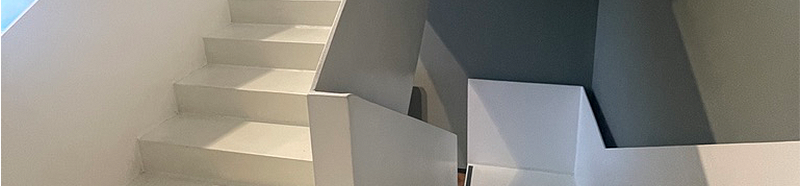
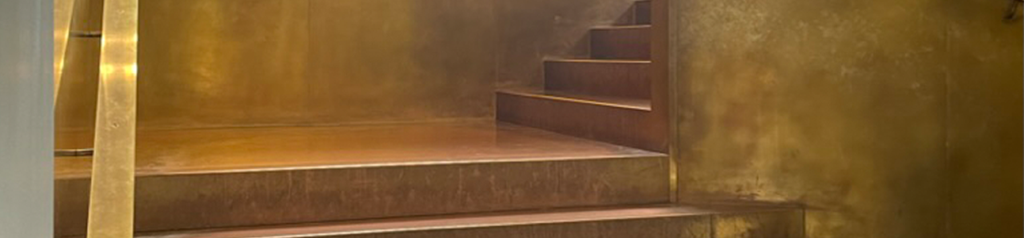
Latvian National Museum of Art: Part 2. In a previous blog I mentioned my desire to return to the museum. Recently I was able to make the journey and conduct additional research on the three previously mentioned stairs designed by Lithuanian architecture firm ProcessOffice.
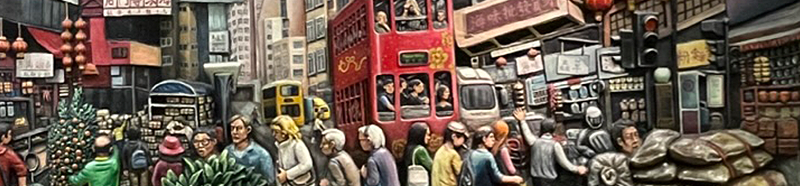
Hong Kong: a metropolis of contradictions. There is so much I love about the city of Hong Kong that it is almost impossible to articulate in a single thought. What draws me year after year to return to the Fragrant Harbor; a name inspired by the city’s early activities as a major Asian trading post for fragrant incense?
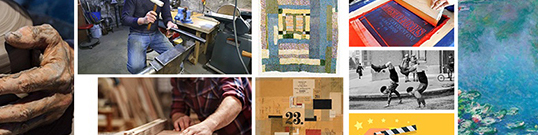
Art seminar week. During my tenure at the ETH-Zürich, Switzerland, I discovered how consensus among faculty benefits students.
The following proposal involves consensus and a coming together of faculty to share their individual expertise beyond their classroom, and might be of pedagogical interest for a design school—for example, at my current institution—and is inspired by one offered in Zürich. Let me start by contextualizing that one, and then follow up with a proposal for first-year design studios that currently offer a design foundation to students in architecture, industrial design, interior design, and landscape architecture.
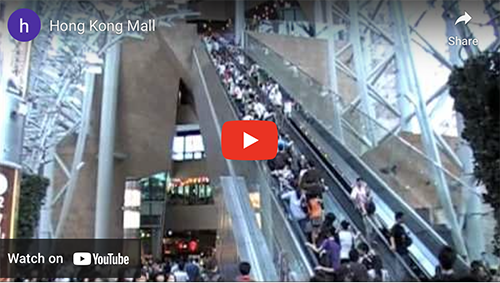
Hong Kong Shopping Mall. The following video is my one of my first attempts to edit footage from one of my numerous trips to Hong Kong. I hope that my fascination with escalators and the Langham Mall transpires in this video clip.
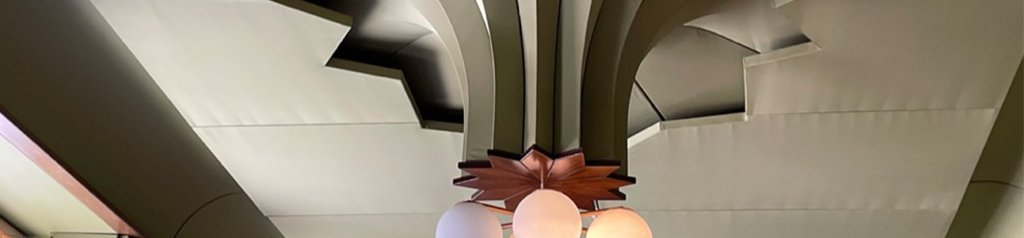
Vilhelms Kuze cafe in Riga. In most European cities, caféculture is an institution. For me, coffee houses are more than simply a place to indulge in delectable drinks and extravagant pastries—they are also destinations enriched by an architecture that gives each place its own identity. Be it in Padua (Café Pedrocchi), Paris (Café de Flore), Porto (Café Majestic), Prague (Café Imperial), Venice (Café Florian), Vienna (Café Central) or Zürich (Café Odeon), among many other favorites, I have always considered cafes a must when traveling.
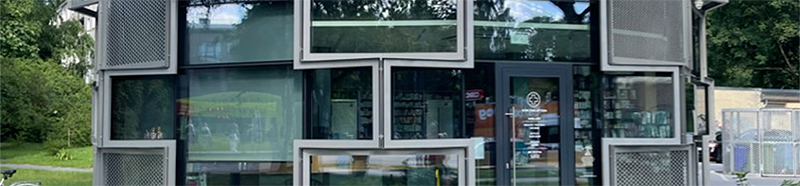
Pharmacy in Riga (Office: Substance). A recent trip to Riga, capital of Latvia, was to trace my ancestors and visit many of the sites and residences where my father had lived until he was a young adult. While the history of my family is well documented, I had not to this point visited any of the family properties in Latvia or nearby Lithuania.
Latvian National Museum of Art (Processoffice), Part 1. Hands down, the stair that I am about to share with you is conceptually one of the most subtle tectonic statements that I have seen in recent years. Not simply because it is both simple and utterly sophisticated in its execution, but it takes its place so eloquently and effortless within the entrance foyer of an existing building, namely the Latvian National Museum of Art in Riga, Latvia (LNMM).