How to design a stair

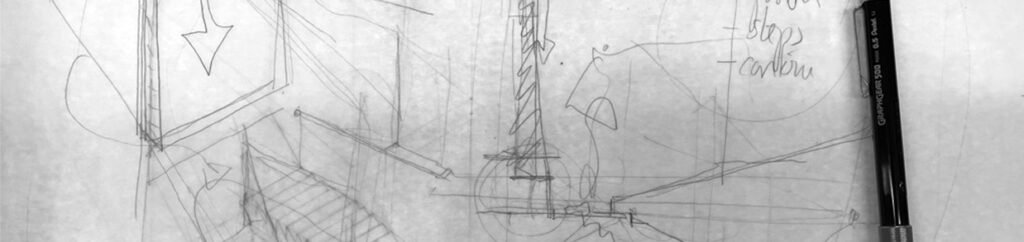
What gets us safely up or down a staircase is a matter of law and engineering, the architectural uses of the staircase are a different issue altogether and the one cannot be replaced by the other—both are necessary. [1]

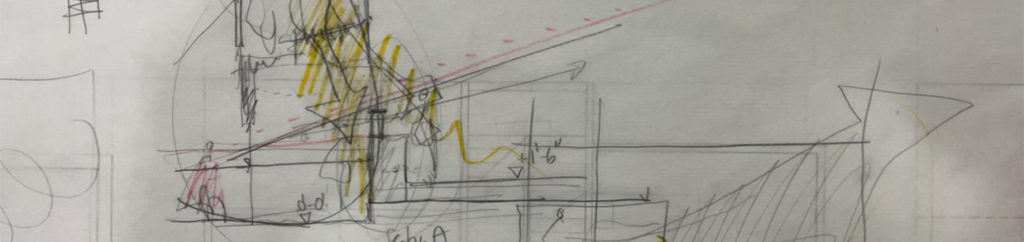
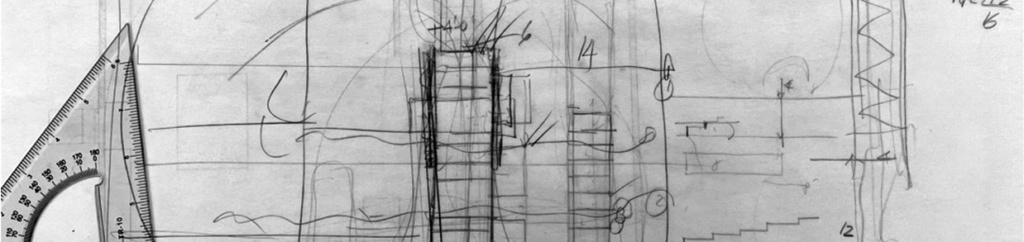
How to design a stair. Even though I have taught architecture students for over three decades, I still enjoy presenting them with this task. Not simply because the project brief calls for a building with several stories, but because stairs are never easy to design, especially for students, who need to first understand basic principles in order to make a stair comfortable AND to code. Designing prerequisite fundamentals (the stair) seems a natural way to engage students in a creative endeavor that is deeply anchored in pragmatism. 

Continue reading How to design a stair
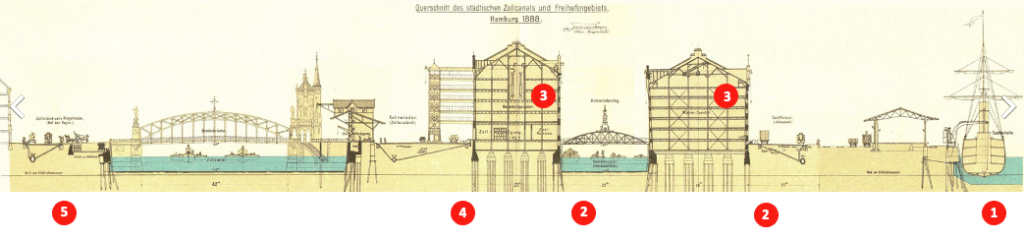
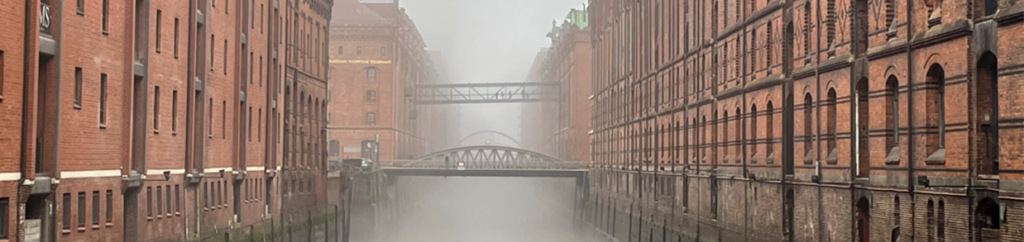
Speicherstadt in Hamburg. Part 1

“The distinguishing feature of great beauty is that first it should surprise to an indifferent degree, which, continuing and then augmenting, is finally changed to wonder and admiration.”
Montesquieu

Speicherstadt in Hamburg. Part 1. For reasons that I have yet to rationally pin down, I have, during my numerous travels to Germany, ignored the city of Hamburg. Other cities, such as Berlin and Leipzig (where my father had lived and studied), Cologne, Dessau, Frankfurt, Munich, and Weimar, along with the towns along the famous Rhine Valley, have frequently been part of my travels for both pleasure and work. Each of these visits arose from my interest in architecture, history, and culture, and, I will admit, have been slowly checked-off of an endless ambitious list of places that I wish to learn more about. Perhaps selfishly, I am trying to create my own set of 1,000 Places to See Before You Die, which of course, will never happen. 

Continue reading Speicherstadt in Hamburg. Part 1

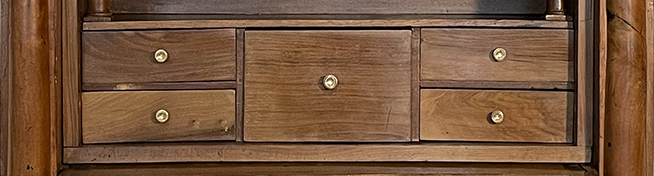
Secretaire a abattant

Secrétaire à abattant  (drop-leaf secretary) 
French Empire (18th century)

The drop-leaf secretary is a derivative of:

  • The writing desk, whose origin logically goes back to the time of writing on parchment,
  • The writing table that appeared in the same period as the cabinet under Louis XIII,
  • Office furniture around the 17th century, which is a table on legs with or without drawers on the side.
Continue reading Secretaire a abattant

Giuseppe Terragni, Casa Rustici

Giuseppe Terragni, Casa Rustici. After visiting the Casa Lavezzari, followed by a delectable apricot-filled croissant and Italian espresso at a local Bar-Tabacchi (coffee bar that sells tobacco and stamps in addition to drinks of all sorts), I located a nearby metro entrance and rode to the Domodossola station in the western part of Milan. 

Continue reading Giuseppe Terragni, Casa Rustici

Giuseppe Terragni, Casa Lavezzari

Giuseppe Terragni, Casa Lavezzari. I feel conversant with key projects of Italian architect Giuseppe Terragni (1904-1943), particularly those built in Como; a provincial city on Lake Como just an hour north by train from Milan. The Casa del Fascio (1932), Sant’Elia nursery (1937), Novocomum (1929), and the Casa Giuliani-Frigerio (1939)—the latter two being apartment projects—are emblematic of Terragni’s oeuvre and continue to be observed, researched, and used since his early death at the age of thirty-nine.

Continue reading Giuseppe Terragni, Casa Lavezzari