Category Archives: Architecture

Le Corbusier and the horizon

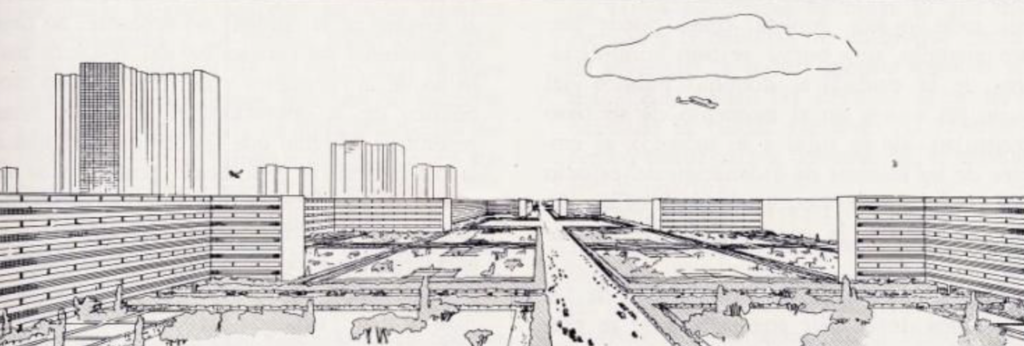
Le Corbusier and the horizon. Regardless of the pedagogy surrounding how history and theory is taught in architecture schools, Le Corbusier’s (1886-1965) oeuvre can rarely be avoided because it is central to the experience of modernity; especially when talking about the innovative and revolutionary architectural ideas conceived by him during the early part of the 20th century. 

Continue reading Le Corbusier and the horizon →
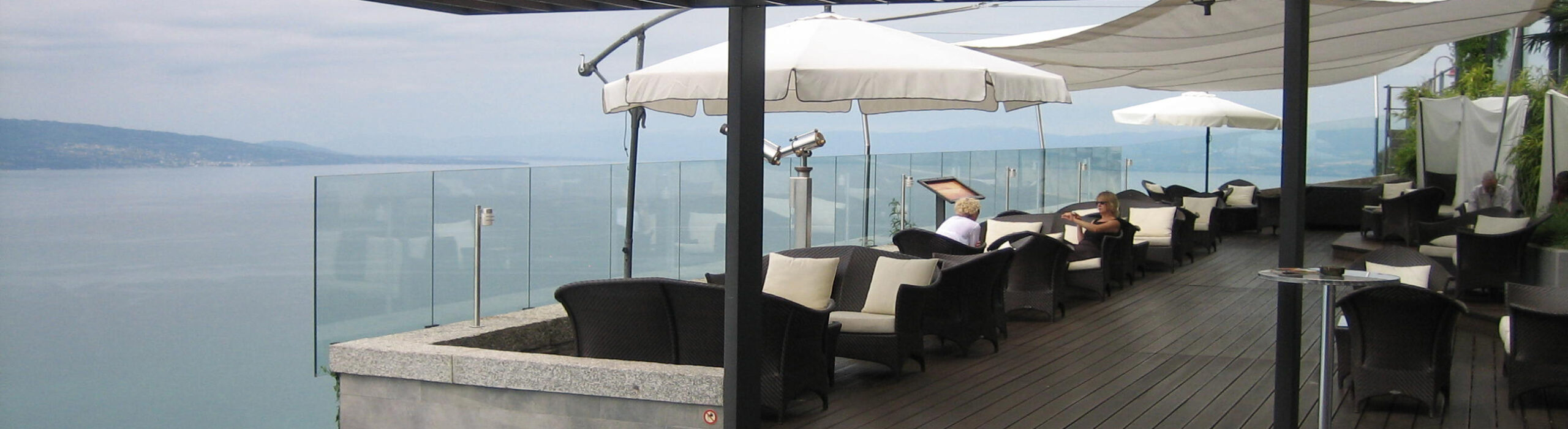
Le Baron Tavernier: a cafe

Le Baron Tavernier: a cafe. There is a myth that Switzerland is one of the most beautiful countries on earth. Indeed, its picturesque landscape, pristine cities, orderly society, and unconditional belief in a constitution that engages each citizen through direct representation—often to a fault—are all accurate descriptions of the place and culture.  While the country of my youth is truly magnificent, there is a mundane reality that mitigates the perfection. Throughout the project that I will describe of Le Baron Tavernier Hotel Restaurant, there is a sense of craftsmanship that accompanies the entire design.

Continue reading Le Baron Tavernier: a cafe →

Cities and memory

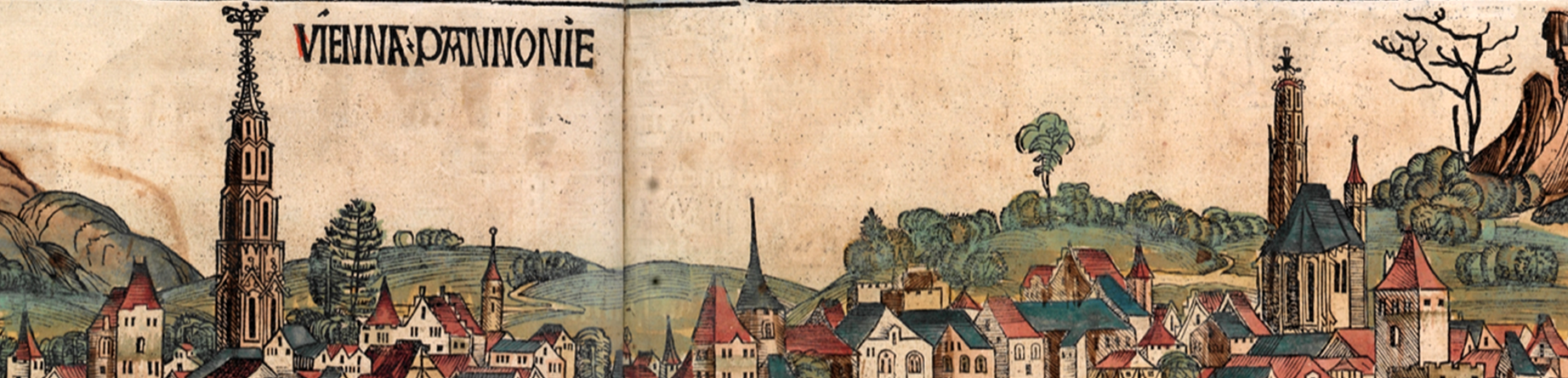
At the age of five I moved to Vienna, Austria—the heart of the Austro-Hungarian political, economic, and cultural Empire—and ever since then, I have been fascinated by urban environments.  Simply stated, the bigger the better, although that doesn’t capture the complexities that I have come to enjoy when living in or visiting metropolises around the world.

Continue reading Cities and memory →

Casa Rezzonico by Livio Vacchini

Doing and Knowing. Usually the task at hand is trivial. While working, the banality of the task is quickly overcome and turns into a necessity of a spiritual nature: the need to build a thought. Making a project means indulging in the pleasure of constructing a thought.
Livio Vacchini
Capolavori, 2006[1]

Continue reading Casa Rezzonico by Livio Vacchini →

Carlo Scarpa and detailing

Some time ago, a friend of mine mentioned an article in the New York Times Sunday Magazine on the work of Italian architect Carlo Scarpa (1906-1978). Her suggestion came at an auspicious moment as I was completing a second blog on the Venetian architect.  Reading the article, the first paragraphs filled me with fond memories of visiting the featured apartment (Venice, 1962-63) that Scarpa had designed for his attorney Luigi Scatturin.

Continue reading Carlo Scarpa and detailing →

Vittorio Gasteiz: a lesson in stairs (Francisco Mangado)

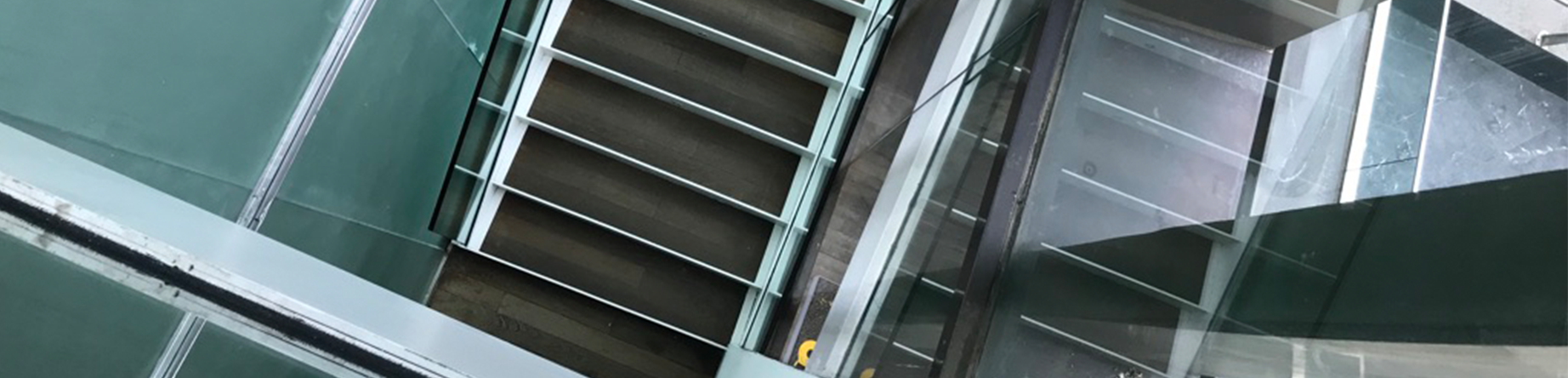
Vittorio Gasteiz: a lesson in stairs (Francisco Mangano). If you have ever wandered off the beaten path in a small French village or an Asian megalopolis, then you have likely stumbled on a tucked away medieval church, a picturesque and vibrant neighborhood market at night, a small literary café, a quaint winding cobbled street, or perhaps buildings that stand out by their unique presence. The moment is rewarding and often lends a sense of privilege to be the “only” person who knows of this newly found secret place.

Continue reading Vittorio Gasteiz: a lesson in stairs (Francisco Mangado) →

Peter Zumthor, the lemniscate, Part 2

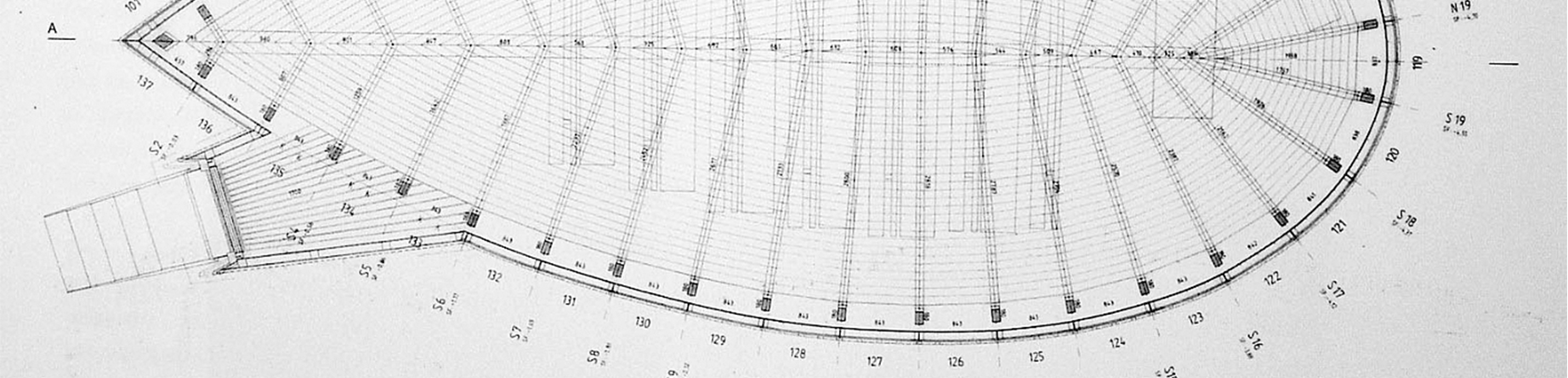
Peter Zumthor, the lemniscate, Part 2. While one finds many free-standing architectural masterpieces that utilize a single geometrical shape, few buildings have had an impact on me more than Peter Zumthor’s (1943-) Caplutta Sogn Benedetg near Sumvtig, Switzerland (1985-1988). The chapel, its siting and usage of materials, and the all-encompassing interior space are pure poetry.

Continue reading Peter Zumthor, the lemniscate, Part 2 →

Peter Zumthor, the chapel at Sumvtig, Part 1

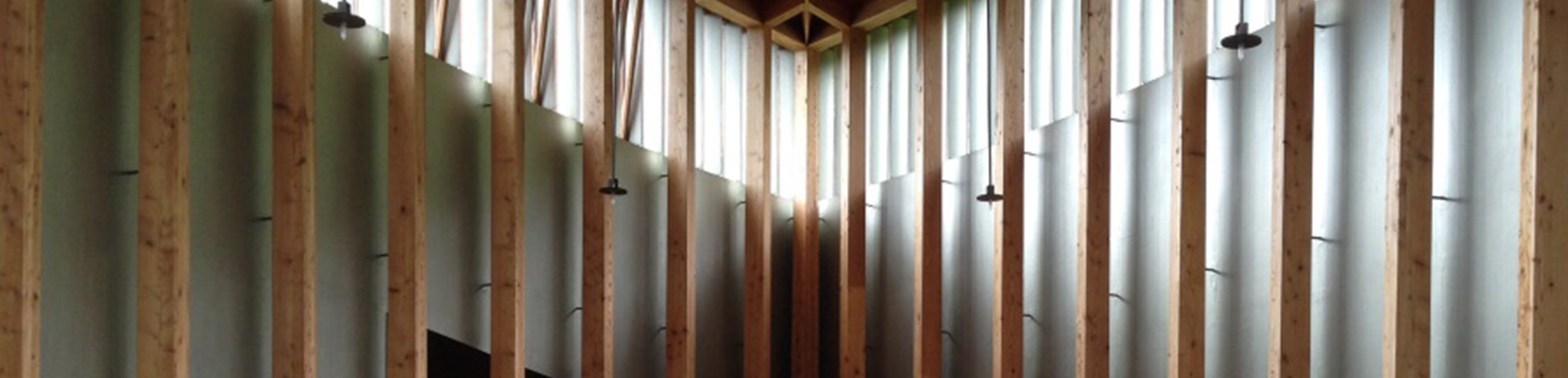
Peter Zumthor, the chapel at Sumvtig, Part 1. Whether you are a student or an architect, you will remember visiting a famous architectural work for the first time. Confronting one’s ‘academic’ knowledge with an in-situ (often through sketching) experience often results in moments of epiphany followed by long lasting memories. Architecture has a tremendous physical power in orchestrating the five senses, eliciting different emotions, and often leaving us speechless in front of the grandeur of a masterpiece.

Continue reading Peter Zumthor, the chapel at Sumvtig, Part 1 →