Category Archives: Travel

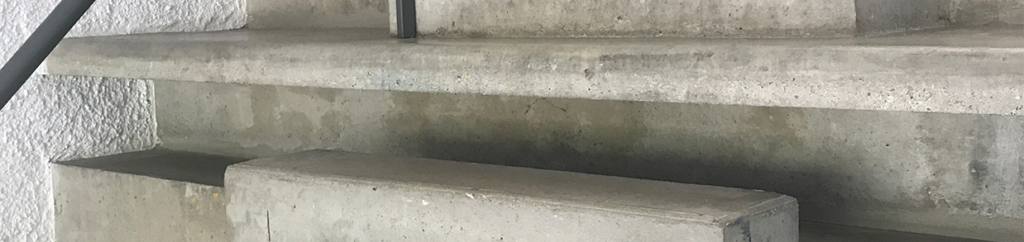
Firminy: a lesson in stairs (Le Corbusier)

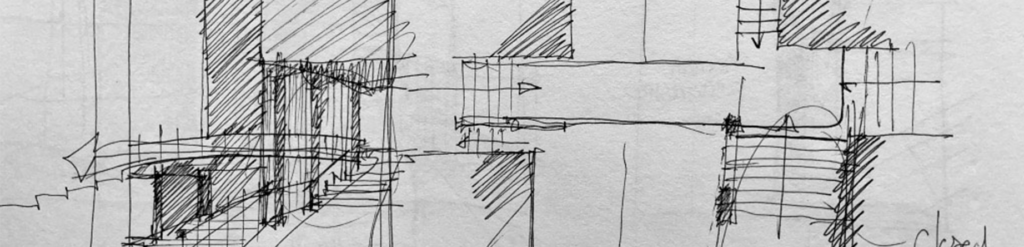
Firminy: a lesson in stairs (Le Corbusier). There are times in academia when one is confronted by fundamental design questions that change our understanding of architecture. For me, this occurred when I encountered the promenade architecturale in Le Corbusier’s oeuvre. Hands down, and even retrospectively, this remains for me one of the most important spatial ideas I learned as a young student. 

Continue reading Firminy: a lesson in stairs (Le Corbusier)
Still lifes by Ben Nicholson

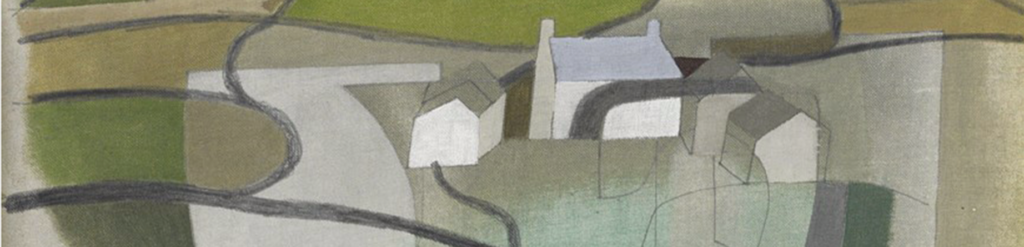
Still lifes by Ben Nicholson. Recently, I was delighted to rediscover the British artist Ben Nicholson (1894-1982) whose paintings I had so much admired while studying architecture. For some reason, I lost touch with his oeuvre despite my growing interest in the art of painting, especially the still life genre that I so much cherish. There are two reasons for my renewed interest in the still lives by Ben Nicholson. 

Continue reading Still lifes by Ben Nicholson

Sketching on a field trip. Part 2

“…nothing can be more abstract, more unreal, than what we actually see.”
Italian painter, Giorgio Morandi

In previous blogs, I have written about the necessity of skill building to facilitate students to use techniques as a process to diagram conceptually; work through iterative design processes; move from sketch to drafted sketch; and also to learn to sketch in model form.

Continue reading Sketching on a field trip. Part 2

Inventing versus re-inventing

Inventing versus re-inventing. In past blogs, I stated that my academic and professional interest favors re-invention over invention. Working in the creative field of architecture surrounded by colleagues and students who thrive on furthering their art form, I always find it curious when reviewing student work, how many of them claim to invent a site strategy, to organize domesticity, or state a position in architecture that wants to be new.

“The distinguishing feature of great beauty is that it should surprise to an indifferent degree, which continuing, and then augmenting, is finally changed to wonder and admiration.”

                                             Montesquieu (1689-1755)

Continue reading Inventing versus re-inventing

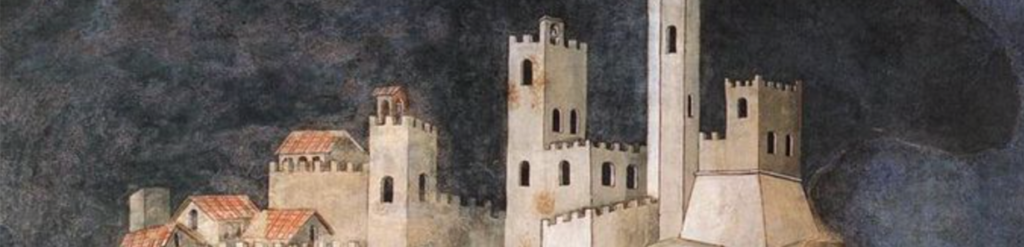
Simone Martini: three principles of settlement

Beyond the sublime postcard-like views of Switzerland, there are few European landscapes that have moved me more than those I have encountered while traveling in Italy. One of the most scenic and memorable parts of the Italian countryside is located in the north east, a region called the Veneto, which spans the medium-sized cities of Vicenza, Verona, and Padova, ending with Venice.

Continue reading Simone Martini: three principles of settlement

Carlo Scarpa Gavina Showroom in Bologna, Part 2

Façade (collection of architect Bill Blanski FAIA)

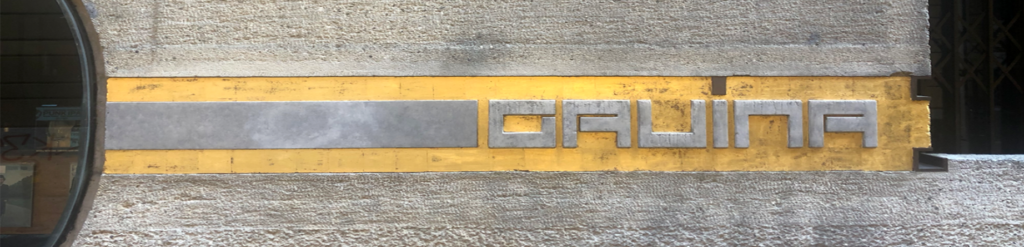
Carlo Scarpa Gavina Showroom in Bologna, Part 2. When I wrote my initial three blogs (123) on the work of Italian architect Carlo Scarpa (1906-1978), in the back of my mind I had planned a sequel to the earlier Gavina Showroom blog which would analyze how its façade was conceived and erected. The topic might seem obvious or redundant since Scarpa’s oeuvre has been studied from so many perspectives.

“The material, detail and structure of a building is an absolute condition. Architecture’s potential is to deliver authentic meanings in what we see, touch and smell; the tectonic is ultimately central to what we feel…”
Steven Holl  

Continue reading Carlo Scarpa Gavina Showroom in Bologna, Part 2

Le Baron Tavernier: a cafe

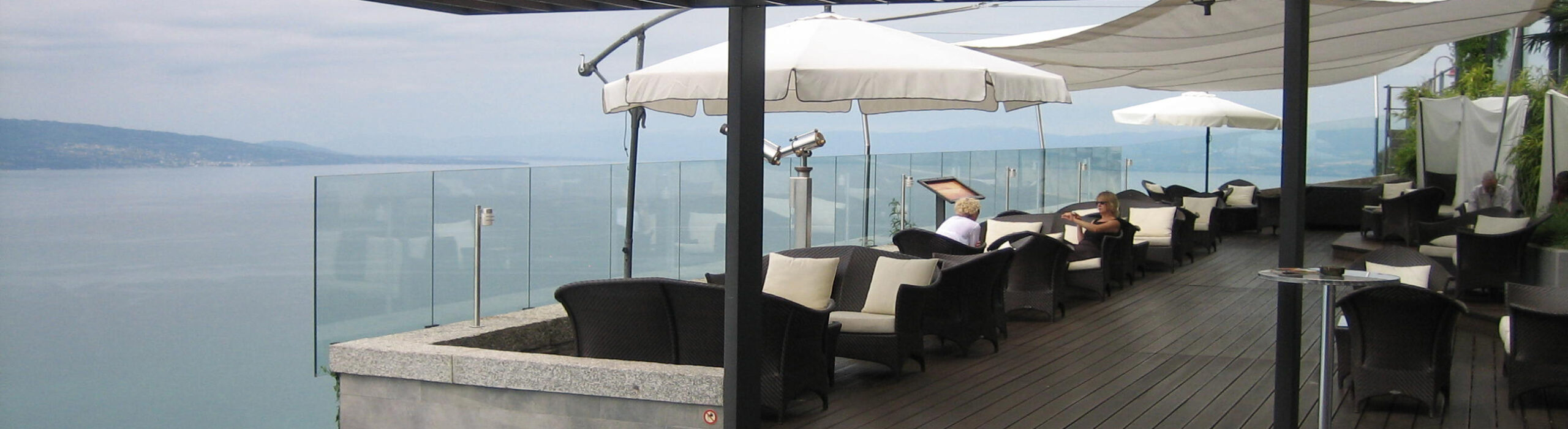
Le Baron Tavernier: a cafe. There is a myth that Switzerland is one of the most beautiful countries on earth. Indeed, its picturesque landscape, pristine cities, orderly society, and unconditional belief in a constitution that engages each citizen through direct representation—often to a fault—are all accurate descriptions of the place and culture.  While the country of my youth is truly magnificent, there is a mundane reality that mitigates the perfection. Throughout the project that I will describe of Le Baron Tavernier Hotel Restaurant, there is a sense of craftsmanship that accompanies the entire design.

Continue reading Le Baron Tavernier: a cafe

Cities and memory

At the age of five I moved to Vienna, Austria—the heart of the Austro-Hungarian political, economic, and cultural Empire—and ever since then, I have been fascinated by urban environments.  Simply stated, the bigger the better, although that doesn’t capture the complexities that I have come to enjoy when living in or visiting metropolises around the world.

Continue reading Cities and memory